- 06762-295920
- kvk.dhenkanal@ouat.ac.in
- Mahisapat, Dhenkanal

CBSAE Agroenterprise Models
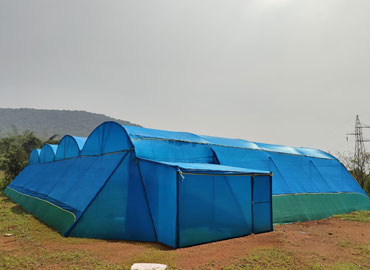
Biofloc Unit:
This unit is a sustainable aquaculture system that uses microorganisms to create bioflocs, which are aggregates of bacteria, algae, and other organic matter, to treat aquaculture waste while also providing a nutritious, protein-rich food source for the cultured organisms.
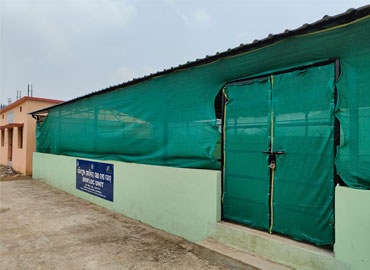
Fish seed production Unit:
A fish hatchery is a facility that provides controlled conditions for the artificial breeding, hatching, and early-stage rearing of fish, producing "fish seed" (eggs, larvae, and juvenile fish). This artificial production increases survival rates compared to natural spawning by protecting young fish from predators and harsh environments.

Mushroom spawn production unit:
This unit is a sustainable aquaculture system that uses microorganisms to create bioflocs, which are aggregates of bacteria, algae, and other organic matter, to treat aquaculture waste while also providing a nutritious, protein-rich food source for the cultured organisms.
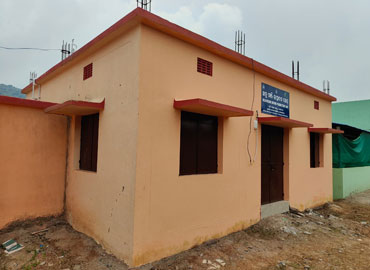
Mushroom production unit:
A mushroom production unit is a place where mushrooms are grown under controlled conditions. It provides the right environment i.e. humidity, temperature, and light for the mycelium to develop and produce fruiting bodies.

Poultry chick rearing unit:
A poultry chick rearing/brooding unit is a specially designed area where newly hatched chicks are kept warm and safe during their early life stages. It provides controlled temperature, ventilation, lighting, and access to feed and water for healthy growth. Proper brooding ensures strong immunity and reduces chick mortality.
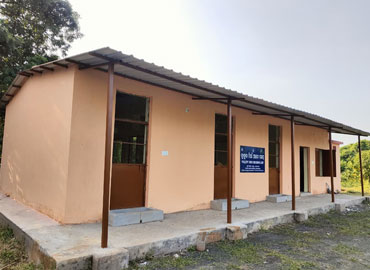
QPM of fruits, vegetables & flowers:
A QPM production unit produces healthy, disease-free seedlings or saplings of fruits, vegetables, and flowers. It uses scientific methods like grafting, tissue culture, or seedling trays under controlled conditions. This ensures high-yielding, uniform, and vigorous plants for commercial cultivation.